Pre-World War Il
THE DEPARTMENT OF BOTANY of the University of the Philippines was organized on 3 June 1910 as part of the newly-created College of Philosophy, Science and Letters (later renamed College of Liberal Arts). It was housed in a bleak one-story building formerly occupied by the Philippine Normal School on Padre Faura street in Manila until 1918. The Department left its austere surroundings 8 years later when it transferred to the Rizal Hall also in the Padre Faura compound whose construction had just been completed. It occupied the entire third floor of the building, allocating space for its lecture rooms, greenhouse, hanging gardens, aquaria, laboratories and photographic room. Planned and supervised by Dr. W. R. Shaw and Dr. W. H. Brown, the department was acclaimed as having the best designed equipment and appointments in the building.
Dr. Walter R. Shaw, who organized the department, offered the first course on 1 July 1911 to 32 students of pharmacy. (Before the College of Pharmacy was organized, the training of pharmacists was a function of the College of Liberal Arts.) According to Lino Jose de Jesus, a student assistant in the Department, “of these 32 pioneering students in botany, only 8 were able to obtain the degree of Graduate in Pharmacy on 2 April 1914” (Philippinensian, 1915).
For the first time in the history of the University, a regular summer school was created by the Board of Regents, and Botany was one of the five courses (zoology, physics, English, chemistry) offered in the first summer in the College of Liberal Arts (May 16 to June 21, 1914).
For some time during those early years, the department was simply a service unit for many professional schools of the U.P., because it did not have enough course offerings towards a de gree and because the students were not interested in taking up botany as a profession.
Sometime later, Dr. Richard Morris Holman joined Dr. Shaw in the department faculty, but he did not stay long. Nevertheless he became noted for writing a textbook of botany, jointly with Dr. Wilfred W. Robbins.
In the academic year 1912-1913, the department acquired the services of Dr. Elmer D. Mer rill, a botanist of the Bureau of Science. He was part-time professor, and concurrently the first head of the department. During his stay in the country, he published the Flora of Manila and the Enumeration of Philippine Flowering Plants in four volumes. His many technical papers in Indo-Malayan tropical flora gained him recognition as an authority in the taxonomy of the region. The prodigious Merrill authored more than eighty scientific articles. On his return to the United States, he occupied many important positions, the last of which was directorship of the Arnold Arboretum in Harvard University.
On account of the steady increase in the number of students enrolled in botany, it was felt that an additional professor had to be hired. Thus, Dr. William H. Brown became an important addition to the faculty in 1916. Dr. Brown wrote a classical textbook, The Plant Kingdom, which was in great demand for its inclusion of many tropical plants. Many of the illustrations in this book were made by Miss Maria D. Pas-trana (who later became famous as Dr. Maria D Pastrana-Castrence).
Dr. Brown’s Practical Botany, the accompanying laboratory manual, was widely used in the local colleges and universities up to the late 1960s. So was the Useful Plants of the Philip-pines, his notable monographs in three volumes. On his return to the U.S., he became a professor at Johns Hopkins University, a position which he held until his death just before World War II.
It is worthwhile to note that Merrill and Brown held concurrent appointments at the Department and the neighboring Bureau of Sci-ence. Apparently, the exposure brought about a sort of “hybrid vigor’ which made them very productive. A similar exposure was later experienced by Dr. Jose Kabigting Santos, Dr. Joaquin Marañon, Dr. Eduardo Quisumbing, and a few others.
Dr. Shaw resigned from the department in 1922 after 12 years of dedicated service. He was succeeded by Dr. Raymond Kienholz who stayed for two years only.
The staff in the Department in 1922 was made up of Maria D. Pastrana, Eugenia Ingco Capa-ras, Lino Jose and Paulina Versoza. Those who joined the Department in the following years were Maria Tolentino-Vallarta, Juan F. Pascasio, Trinidad Villegas, Petronila Marasigan, Gregorio T. Velasquez, Mariano Abagon, Pacita San Pedro, Jose Vera Santos, Rosario Llanes, Gregorio Ong and Teodora Kalalo.
The staff during this time was reinforced with the part-time services of two illustrious scientists, Dr. Marañon and Dr. Quisumbing. Dr. Marañon, a plant physiologist-chemist, was from the School of Pharmacy. He transferred to the department in 1924 and taught general botany and plant physiology. He left the department and transferred to the Bureau of Science in 1931. Dr. Quisumbing was chief taxonomist of the Bureau of Science and head of the Museum Division. He taught plant morphology in the department.
Dr. Merrill became Director of Science in 1919, so he relinquished the headship of the department to Dr. Brown. Five years later, Dr. Merrill resigned from the Bureau of Science and again he relinquished the directorship of the Bureau to Dr. Brown, who had to leave the department in 1925. It became the lot of Dr.
Jose K. Santos to take over the headship of the department in 1924 thus, becoming the first Filipino to assume the responsibility.
Dr. J. K. Santos started in the department in 1915 as a graduate assistant. Through the years, he constantly sought self-improvement, finally pursuing a Ph. D. degree in the University of Chicago where he graduated magna cum laude in 1923.
As head of the department, he was a beacon of light guiding his staff up to the war years. Among those whom Dr. J. K. Santos guided to the M.S. degree were Maria D. Pastrana, Gregorio T. Velasquez, Petronila Marasigan, Anacleto Peliño, Jose Vera Santos, Juan Pascasio, Consue-1o Villamor-Asis and Felipa Encarnacion-Pablo.
He was a disciplinarian of the first order. He used to visit his staff in their rooms to check at-tendance. He did not hesitate to bawl out a staff member if the latter did not come up to his stan-dard. On the other hand, he did not spare effort in developing his understudies, urging them to work for advanced degrees.
Dr. J. K. Santos placed the Philippines on the scientific map by his well-known cytological investigations on sex chromosomes of Elo dea canadensis. Then he went on to study the morphological and pharmacological aspects of our local medicinal plants. He is considered the foremost Filipino cytologist.
In 1934, the U.P. and University of Michigan entered into a collaborative arrangement whereby the department availed itself of the talent and services of Professor Harley Harris Bartlett, while Dr. J. K. Santos served as his exchange professor in Michigan.
The staff was reinforced in 1935 with the appointment of Consuelo M. Villamor, Felipa En-carnacion and Socorro Sanchez.
World War II One-Man Faculty
DURING WORLD WAR II, Dr. J. K. Santos fell ill and the responsibility for the Department was assumed by Dr. Gregorio T. Velasquez. AI-though the U.P. was permitted by the Japanese to operate a Junior College, the faculty was not able to engage in serious intellectual activity because of war conditions.
To his everlasting credit, Dr. Velasquez salvaged most of the laboratory equipment from the ruins of war, at great odds and risk. In this task, he was assisted by Mr. Jesus Redondo, the laboratory helper-photographer of the department.
In a later report, Dr. Pastrana-Castrence characterized Mr. Redondo as an all-round expert technician. He did scientific photography, made lantern slides, operated the projector, repaired microscopes and served as a general mechanic. On top of these, he was an adept collector of plant specimens. He had 24 years of service to his credit when he retired.
Gregorio T. Velasquez and Post-World War II Development (1945-1955)
AFTER THE WAR (1945), three faculty members constituted the department, namely, Dr. Velasquez, Dr. Pastrana-Castrence and Miss Petronila Marasigan (now Dr. Marasigan-Di pasupil). It is interesting to trace the effort and progress of these postwar pioneers.
As head of the department, Dr. Velasquez followed in the footsteps of his predecessor, Dr. J. K. Santos. He used to drop at unlikely places to check on the students idling their time away, and talked them into exerting greater effort for higher aspirations. His promptness, which is legendary, inspired his staff to do likewise. His charisma added color to his personality.
In 1949, Dr. Velasquez launched the local Alpha Chi Chapter of the Phi Sigma, an American honor society of biologists. He also helped supervise the construction of a permanent building for the U.P. Marine Biological Station at Puerto Galera, in Mindoro, on land donated in 1932 by the municipality. He subsequently initiated the creation of a botany section at the Marine Biological Station, where the faculty and students pursued research on marine algae. Through the years, the practice of spending the summer term in Puerto Galera for instruction and research grew into a tradition in the department. By making an appeal to colleagues abroad for donation of books and other printed material, he initiated a modest departmental library.
Velasquez was a recipient of the Simon Guggenheim Memorial Foundation Fellowship in the years 1956-57 and became the first director of the Philippine Science High School in 1964. He further broadened his horizons in the field of algal research as SEATO professor at Kasetsart University, Bangkok, Thailand.
On June 12, 1972, Gregorio I. Velasquez received the Cultural Heritage Award in the field
Looking back with gratitude at his solid contributions to the department and to Philippine botany at large, Dr. Velasquez presently revels in the honor of being a National Scientist (1983) and in being regarded as the Grand Old Man of the Department of Botany.
For her part, Dr. Pastrana-Castrence helped salvage the specimens, lantern slides and some visual equipment, these being close to her heart. She is a cytogeneticist, mycologist-pathologist by inclination and training. Moreover, she recommended the restoration of the herbarium and museum, the aquaria and the experimental greenhouse of the department. The task of restoring the herbarium was greatly facilitated by donation from, and exchanges with, foreign institutions.
Donations were obtained from the University of Michigan, consisting not only of her references. This was done through the efforts of Dr. Jose Vera Santos, Prof. H. H. Bartlett and Dr. F. C. Blanchard. Exchanges were made with the New York Botanical Garden, the Natural History Museum of Stockholm and the University of Michigan.
Dr. Pastrana-Castrence urged the return of Dr. Jose Kabigting Santos to the service in order to help in the rehabilitation effort after World War IT. Dr. J. K. Santos was noted for his being an efficient organizer and for his familiarity with the needs and problems of the department.
Under the supervision of Dr. Pastrana-Cas-trence and Dr. J. K. Santos, Mr. Eduardo Salgado collected and reproduced the portraits of the scientists who contributed to the progress of Philippine botany. This venture spurred the creation of a photographic room, equipped with pertinent photographic equipment for botanical research.
Miss Petronila Marasigan was an excellent teacher, specializing in pharmaceutical botany.
As a reward for her good performance, she was granted a Barbour Scholarship to the University of Michigan, where she successfully pursued a Ph. D. degree.
These three pioneers were later joined by Mrs. Felipa Encarnacion-Pablo and Dr. Jose Vera
Santos – the latter having returned in 1946 from the University of Michigan where he worked and obtained a doctoral degree.
In later years, Professor Pablo became interested in radioactive isotopes as tracers in plant metabolism. This interest enabled her to participate in seminars and workshops on isotope tracers sponsored by the Food and Agriculture Organization and the International Atomic Energy Agency, besides 2 semester’s enrolment at Washington State University and at the Institute of Radiation Biology as a National Science Foundation scholar in 1959.
Then in 1948, Consuelo Villamor-Asis and Joventino D. Soriano joined the staff. They were followed later by Flordeliz Rasalan (now Dr. F R. Uyenco), active micro-biologist, Cecilia Vargas (now (Dr. C. V. Zamora), plant cyto-mor-phologist skilled in plant microtechnique, Elzer Medina (now E. M. Danganan) and Socorro Sanchez-Velasco. In 1959, Dr. M. S. Doty of the University of Hawaii was a guest lecturer.
In these postwar years, the department saw opportunities to cooperate with different units of the government and the private sector. They served as consultants on plants and drugs, identified plant specimens, corrected papers on examinations given by the Civil Service Commission and the Professional Regulations Board, assisted in medico-legal cases involving drugs and conducted water pollution studies. They participated in the First Postwar National Science Convention, and wrote and/or edited articles for the U.P. Natural and Applied Science Bulletin.
With the changes in the University curriculum in the 1960s, botany became a part of the required general education courses. Moreover, botany was endorsed as part of the preparation for courses in food, textile, health and environment which were required of Home Economics students. Landscape gardening and floriculture were deemed necessary and courses were oriented to suit the needs of the students in the Colleges of Education, Home Economics, Pharmacy, Business Administration, Veterinary Medicine and Fisheries.
It is obvious that the role of the department, in the University and the society at large, has been expanding.
Jose Vera Santos and the Beautification of the U.P. Campus (1955-1969)
WITH THE TRANSFER of the U.P. in 1949 to the sprawling Diliman campus in Quezon City, the Department had to make-do with make-shift quonset huts, half buried in weeds. (On seeing the dire circumstances, people recall with wry humor Thoreau’s “In wilderness is the preservation of the world”). For sometime, nothing was done to improve the site because energies were concentrated on the transfer and on the building up of facilities.
It was left to the imagination of the second postwar head of the Department to beautify the surroundings of the University. Dr. Jose Vera Santos led the department from 1955 to 1969, first as department head, then as chairman. He was a plant taxonomist, who was dubbed as the “grass man” of the Philippines. As a hobby, he took up the study of landscape architecture. Having been made the first director of the UP. Arboretum and Nursery in 1962, he embarked on an extensive planting of greenery all over the campus, making it a scene “of beauty and a joy forever.” The campus landscape may be his lasting memorial to the University.
To indulge his yen for a botanic garden, he initiated jointly with Dr. Jose R. Velasco, the veritable “coconut man”, a National Botanic Garden at the U.P. Quezon Land Grant. This is at the boundary of Laguna and Quezon in the Sierra Madre Mountains, where the vegetation is a dipterocarp forest biome, characteristic of the humid tropics.
The notable additions to the staff during the tenure of Dr. J. V. Santos were Prof. Luisa Saniel, Dr. Jose R. Velasco (part time), Dr. Gavino Trono, Jr., Dr. Benito S. Vergara, a much rated research enthusiast in rice culture, now working at International Rice Research Institute (IRRI) and Dr. Magdalena Cantoria (part time). Professor San-iel is a microbiologist. Dr. Trono is an algologist and the three others are plant physiologists.
The junior members who soon followed them on the staff were Jaime Banaag, Sonia Quiason, Rosario Quedado (now Dr. R. Q. Albert), Angelina Belisario (now Dr. A. B. Aldana, Maybelle Gomez (now Dr. Gomez), Arabella Fernandez (de Guzman), Nieva Veloria (del Rosario), Cari-dad Castro (Ordoñez) and Remedios Rombaoa (now Prof. Roderos). Mrs. Roderos was granted a special detail (February to March, 1975) to the BIOTROP training program in plant genetics, Bogor, Indonesia. Later on, she went for another master’s degree at the University of Birmingham, U.K. in the field of genetics.
In the field of instruction, the Department gradually progressed from a mere service unit with meager course offering, to a full-fledged academic unit offering a number of degree programs. The growth of the Department started when the University Curriculum was revised in 1958 to make courses in biological sciences (their philosophy and methodology) a requirement as part of the general education curriculum. It was also in 1953 when Dean Tomas S. Fonacier initiated the practice of evaluating the faculty as a means of inciting the latter to greater effort. In 1969, Maybelle Gomez tried the use of Filipino as a medium of instruction followed later on by Cynthia Cuevas (Leigh) who experimented for one year.
Soriano and Curriculum Changes (1969-1973)
IN 1969, Dr. Joventino D. Soriano, a geneticist and one time director of the Office of Research Coordination, took over as chairman of the department and introduced curriculum changes.
He further strengthened the faculty by recruiting Dr. Prescillano M. Zamora, scholar and noted morphologist, Dr. Vicente S. Versoza, molecular biologist, Dr. Librado Ibe (part-time professorial lecturer), Dr. Emerita de Guzman, the “macapuno woman” (part-time professorial lecturer, plant physiologist, and Dr. Reynaldo A. Tabbada, plant physiologist.
Dr. Prescillano M. Zamora established the “Fernery” at the Natural Science Research Center to provide a natural laboratory for students interested in fern studies.
A practicum was included as a requirement for the curriculum of B.S. major in Botany. The practice of inviting student representatives to faculty meetings was started. The newly installed suggestion box was effective in bringing about better faulty-student relationships.
The construction of the Llamas Science Pavilion Annex donated by the late Dr. Rosendo Llamas eased space problems.
Research output increased due to the financial assistance given by the National Research Council of the Philippines, the Natural Science Research Center, and the University of the Philippines. Continuous faculty development was pursued. Faculty active in research were granted a reduction of teaching load. The institution of the Ph.D. program started in 1969. The first graduate of the course in Ph. D. major in Botany was Dr. Cecilia Vargas-Zamora, who earned some units at Cornell University. Dr. J. D. Soriano was the thesis adviser of the first two graduates for the doctoral program, Dr. C. Vargas-Zamora and Dr. Adoracion Tibayan Arañez.
Rosie Sabado, Miguel O. Fortes, Cynthia Cuevas and Ma. Nelinda Dimanlig joined the faculty. Fortes worked on a BIOTROP training course on weeds at Bogor, Indonesia. Jaime F. Banaag was granted a special detail to attend a training course on Ecological Plant Physiology in Bogor, Indonesia in June 1970 and another on Population Biology at the Regional Center of Educational Science of Southeast Asia, in 1972.
Under the initiative of the Department, the Philippine Botanical Society was organized on April 25, 1971.
Asis, First Woman Chairperson
FOR THE FIRST TIME, in the period from September 1, 1973 to August 31, 1976, the department was headed by a woman, Consuelo V. Asis. Professor Asis was a recipient of the most distinguished teacher award by the U.P. Alumni Association as “Best Teacher in the Natural Sciences” in 1974. An earlier award as “Outstand ing Biology Teacher of the Philippines” was given by the Biology Teachers Association (BIOTA) in 1972.
With teaching as her forte, she led the faculty in writing and publishing a Laboratory Manual in General Botany, which is now standard text in colleges throughout the country.
During her tenure the Jose Kabigting Santos Botanical Garden was established. It was in augurated by U.P. President Salvador P. Lopez in February, 1974. The garden was intended to be a laboratory of plant life to serve the needs of the department’s course offering. She also spearheaded the department in administering the new academic program for a doctorate in environmental science during the deanship of Dr. Domingo C. Salita.
As in previous years, research in the botanical discipline was extensively pursued.
Among the additions to the staff were Dr. Edgardo Gomez, Dr. Adoracion T. Arañez, a geneticist researching on Philippine medicinal plants, Gilda Carballo-Rivero, Myrna B. Maran an, Agnes Cortes (de Jesus), Melissa Leaño and Marissa Palma (now Dr. M. P. Otal). Dr. Gomez is a marine biologist, who worked for the creation of the U.P. Marine Science Center and was made its director.
Professor Asis worked for the first professorial chair in Botany, fittingly awarded to Dr. Joventino D. Soriano, who occupied the U.P. Endowment Foundation Professorial Chair of Botany from March 28, 1974 to March 27, 1979.
Always striving to avail of expertise, she engaged Dr. Jose R. Velasco and Dr. Percy Sajise as lecturers in Plant Ecology and Dr. Romualdo del Rosario of the Philippine National Museum, as lecturer in a course on Bryophytes. Mr. Dionisio Liwag, director of campus beautification, was engaged as part-time instructor in Plant Ecology, and Ms. Lucille C. Gregorio, as lecturer in Natural Science.
Further exposure and training were afforded to Dr. Flor R. Uyenco and Professor Luisa San iel. Dr. Uyenco attended the XIlth International Botanical Congress in Leningrad, USSR, specifi cally, on electron microscopy and biochemistry as tools for the study of lower forms. Professor Saniel went to the University of Singapore for training courses in microbiological research.
Within the country, Dr. Gavino Trono, Jr. represented the U.P. in the First Regional Seminar on Philippine Ecological Problems, held in Davao City, October, 1973. He also served as lecturer and consultant of the Bureau of Fisheries in a training program held in Zamboanga City in June 1973. On the other hand, Dr. Prescillano Zamora served as a member of the UNESCO Task Force on Man and Biosphere (MAB) program of the Philippines from July 1973 to June, 1974.
With a mixed feeling of regret and felicity, the department saw the retirement on February 6, 1973 of Dr. Jose Vera Santos, Professor of Botany. A one-year monthly lecture series sponsored by the Philippine Botanical Society with Dr. P.M. Zamora as president was offered to honor Dr. J. V. Santos.
Ever a teacher, Professor Asis forged linkages between the department and the U.P. Science Education Center under the directorship of Dr. Dolores F. Hernandez, top science educator and biologist since 1958 up to the present. Several curricular materials were written as a result of these linkages among which were “The Gene” and Plants of the Philippines.” She chaired the Natural Science Seminar on the Improvement of Teaching and prepared two modules on medicinal plants for teachers. She further honed her teaching skills by training on environment conservation and education in London, England in 1972.
Professor Asis did extension service and counseling, chairing the Science Committee of the U.P. College Aptitude Test (CAT) from 1969 to 1876. She was a member of the Puerto Galera Survey Team in 1975.
Tabbada: The Democratization and Split of the College of Arts and Sciences (CAS)
WITH THE RETIREMENT of Prof. Asis in 1976, Dr. Reynaldo A. Tabbada, writer and dynamic plant physiologist, became the youngest department chairman.
He was instrumental in the revision of curricular programs in Botany and Biology to make these responsive to the needs of the country and to keep them in stride with the advancing frontiers of biological research and developments. The curriculum for B.S. majors in Biology were restructured to train biologists – not merely to prepare students for the medical degree. Towards this end, teaching aids had to be prepared to complement the improved teaching methods. For example, the laboratory manual is now on its third revision for the 1984-85 term. The stress in the current revision is on the relevant problems in the country and on the availability of plant materials for study.
The program for B.S. major in Botany was transformed into a research-oriented curriculum.
It has been a long way since the establishment of the department in 1910. From a simple curriculum which enabled a student to obtain a Bachelor of Science degree major in botany in 1910, the department developed so that in 1969, it could offer a curriculum towards a Doctor of Philosophy in Botany, and in 1982 another degree towards a Doctor of Philosophy in Biology. These curricula called for the development of quality instruction and effective research.
The following are the Department’s present course offerings:
B.S., M.S., and Ph. D, (in Botany)
B.S., M.S. AND Ph. D. (in Biology)
M.S. (in Marine Biology)
The latter four degrees are offered in coordination with the Department of Zoology. With the institution of the advanced degree courses,many new subjects were introduced, among which was advanced plant ecology. This was taught by a team composed of Dr. Ruben Umaly, geneticist and molecular biologist, Dr. Gavino Trono and Dr. Reynaldo Tabbada.
The academic staff grew to the present 39 members – many of whom are holders of the M.S. and Ph. D. degrees from local and foreign universities. A biostatistician, Faustino A. Daria, Jr., joined the staff in 1980.
Despite budgetary limitations, the department was able to improve its laboratory and research facilities in line with the revisions of the curricula.
With the reorganization of the administration of the College of Arts and Sciences (CAS) emphasizing the concept of collective leadership, the CAS was restructured into three divisions, each with an associate dean. Dr. Prescillano M. Zamora was elected the first associate dean of the Division of Natural Science and Mathematics (DNSM). Dr. Zamora was awarded the Jose K. Santos Professorial Chair while Dr. Trono received the Ralph Nubla Professorial Chair.
The faculty as a whole decided on academic matters and issues, and also formulated policies and guidelines on how the Department should operate, especially in terms of recruitment and promotion. One distinct development was the screening of applicants for teaching positions who have to give lectures before the whole faculty. Another was the emphasis on research productivity as a measure for the evaluation of faculty performance. The research thrust of the Department for the first time was defined.
The Department also embarked on a vigorous faculty development program to strengthen the academic programs of the unit. At present, there are five faculty members pursuing Ph.D. degrees abroad and two fellows doing their Ph.D. dissertations locally.
The three professors emeriti (Dr. Gregorio T. Velasquez, Dr. Jose Vera Santos and Prof. Consuelo V. Asis were extended the privilege of joining the other faculty members in running the Department. In this system, Dr. Tabbada presided over meetings deftly handling critical Issues.
After a year of intense and exciting discussions by the CS faculty, the College was eventually split in November 1983 into three separate and autonomous colleges. The Department of Natural Sciences and Mathematics (DNSM) of the former CAS was transformed into a new College of Science. The historical change was adopted in view of the unique needs and academic thrusts of the natural science departments, especially the Department of Botany.
While the Department can look with pride on its accomplishments, the future is still replete with challenges. The staff has been a successful conveyor of knowledge, but it still has to make a mark as its active purveyor. The department elders feel teaching is made more meaningful when it is complemented by research and scholarship. The staff aims to meet the challenge successfully.
THE DEPARTMENT OF ZOOLOGY started on June 3, 1910 with the institution of the College of Liberal Arts of which it has ever since been a sub-unit. At the start of its institution, the College of Liberal Arts offered a so-called Junior College course which was a two year preparatory course leading to a degree of Bachelor of Arts. In 1911, it granted Master of Arts degree to Bachelor degree holders upon completion of three years of advanced studies. All the departments under the College classified their cours es into junior and senior course offerings. The course offered by the department then could compare very favorably with present day offerings.
In old U.P. (pre-Diliman), the department was then housed in the second floor of Rizal Hall, now the U. P. College in Manila with the Botany department on the third floor. It was basically a service department. Most of the course offerings. e.g., those for the Junior College were those required in the curricula of professional courses like medicine, pharmacy, dentistry, veterinary medicine, education, and engineering.
The courses included Zoology 1, 1A, 2 (for Phar macy) students, 3) for Engineering students, and 4 (for teachers of Zoology). For the Senior College, the advanced Zoology courses were designed mainly for those preparing to teach Zoology in both secondary and collegiate levels. The department had Dr. Lawrence E. Griffin as the Head who was also Dean of the College of Liberal Arts. In 1914, Reinhard Parker Cowles became the department Head and acting Dean of the College with Artemas Lawrence Day, Sol Felly Light, and Lawrence Diller Wharton as Instructors. The last three were conferred their Master of Arts degrees by the University in 1913 and in 1917, Mr. Day and Mr. Light were promoted to assistant professorship.
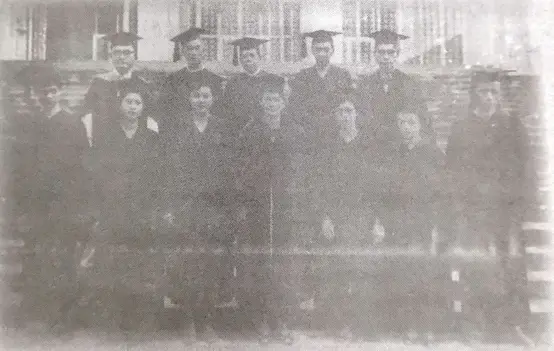 THE STAFF 1954
FRONT L-R: Dr. B. Anicete; Mrs. L. Demonteverde;
Ms. E. Pastor; Dr. C. Velasquez; Ms G. Banzon;
Ms. P. Militante; Mr. F. Abad Santos.
REAR L-R: Prof. F. Nemenzo; Dr. A. Rodolfo; Dr. L. Cemente – Head; Dr. Feliciano; Dr J. Yaochionoco.
From 1916 to 1918, the faculty of the department engaged in basic research projects and an important work undertaken was a major marine biological survey done in collaboration with the Bureau of Science in 1912. A U.P. contingent made up of Mr Griffin (head of mission) and Messrs. Cowles and Wharton had gone to Puerto Galera, Mindoro in 1912 to look into the possibility of setting up a marine biological station.
They found the conditions very favorable. The department conducted Field Biology, 6 weeks work each summer, in Puerto Galera, Mindoro. It was in 1925 when through the efforts of Dean Maximo Kalaw and President Rafael Palma, the Puerto Galera Marine Station was established. The permanent building was erected in 1933.
In the 1920’s the College of Liberal Arts started to offer degree courses leading to Bachelor of Science and Master of Science. The department responded with greater variety of courses which provided basic knowledge of the lower undergraduate level and more specialized training to zoology majors and graduate students. These course offerings have steadily increased in number even while the department still catered to the needs of other preparatory courses. From 1921 to 1923, Prof. Day headed the depart-ment. Three years saw the addition of Filipino instructors into the department. They were Cecilio Lopez and Hilario Roxas who were assistants in Zoology. The department also had a visiting lecturer, Dr. Mcgregor and an instructor, P.B. Sivickis, who was a Lithuanian. In 1925, with the increase in course offerings, even more additions to the staff were necessary. By this year, all the other faculty members were Filipinos with Dr. Sivickis as the Head. The other faculty members were Dr. Simeon Alejandro, Dr. Con-stancio Rustia, M. Jose Domantay, Dr. Amado Feliciano, Mr. Felix Santos, and the first woman member, Mrs. Roberta Sandalo de Filoteo. From the 1930 to 1935 Dr. Hilario Roxas headed the department. He had nine other members of the teaching staff to cope with the still increasing course offerings and enrollees namely: Leopoldo Clemente, Asst. Prof., Jose Domantay, Inst., Amado Feliciano, Inst., Eulogica Estampador, Asst. in Zoology, Caridad Morente, Asst., Ar-senio Urquico, Asst. in Zool., and Angela de la Paz, Asst. in Zool. By 1935, Prof. Leopoldo Clemente was acting head and he saw the department through the war years. Right after the war, there were only four members of the department teaching staff in addition to its acting head, D.r Leopoldo Clemente. They were Dr. Amado T.Feliciano, Dr. Jose Yapchiongco, Ms. Lucia A.Manikis, and Mr. Margarito Delgado.
During the 1948 Christmas vacation, when most of the university was transferred to the then cogon lands of Diliman, the department was housed in one of the make-shift buildings made of sawali and G.l. sheets in what is now the site of the National Engineering Center. Then the College of Liberal Arts Building (which is the present College of Law Building) was across the street from it.
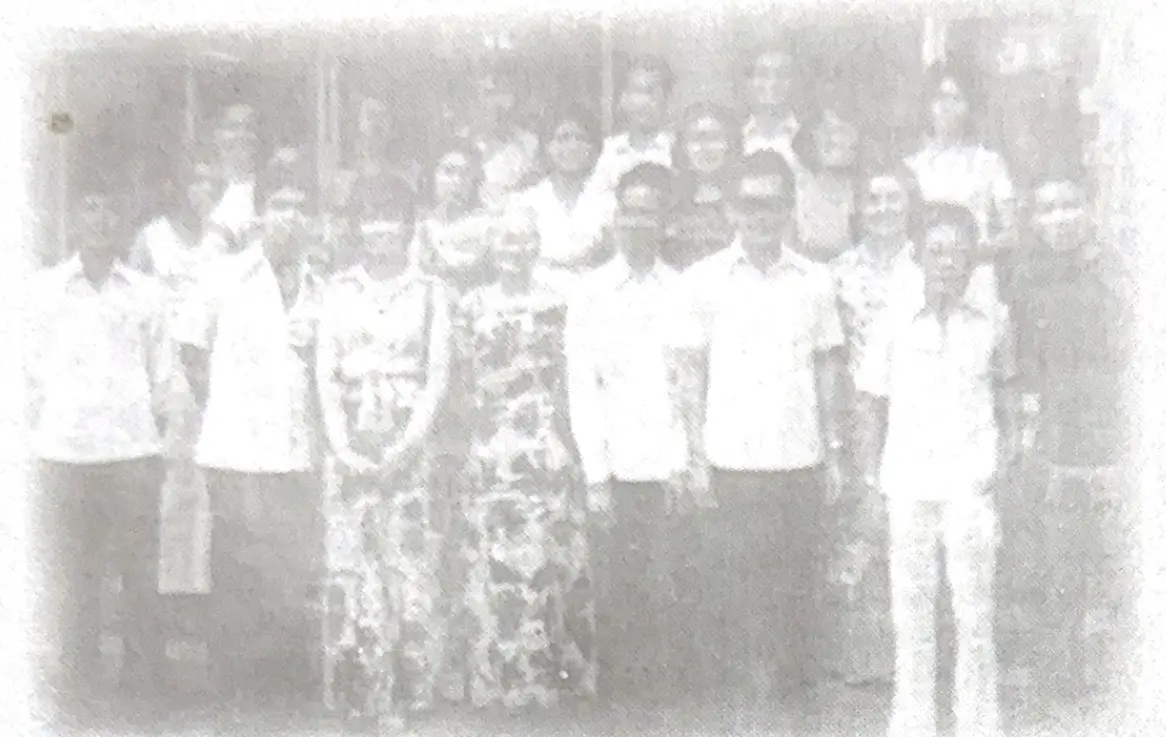 THE STAFF 1976
FRONT L-R: Mr. A. Mamaril; Prof. R. Garcia; Prof. A. Juliano; Prof. N. Rosell; Dr. B. Anicete; Dr. C. Velasquez – Head; Prof. V. Caririo; Dr. R. Umaly; Prof. F. Abad Santos.
MIDDLE L-R: Ms. E. Alikpala; Mrs. C. Marte; Prof. G. Pocsidio; Prof. A. Herrera; Prof. G.Caccam; Mrs. I. Pagulayan; Prof. F. Natividad.
REAR L-R: Prof. R. Yago; Dr. V. Esguerra; Dr. F. Lacanilao; Mr. F. Josef; Mr. E. Duran.
From 1950 to 1955, Dr. Clemente was head of the department. He was later succeeded by Prof. Francisco Nemenzo Sr. who held the post until 1984 when he was given higher administrative responsibilities. When the Division of Natural Sciences was created, Dr. Agustin Rodolfo, then Dr. Jose V. Yapchiongco headed the department during the years 1963 to 1966. From 1966 to 1972, Dr. Bienvenido Z. Anicete was appointed chairman of the department.
The department has retained its service function to other degree courses of the College all through the years even while it produced its own majors, both at the undergraduate and graduate levels. Its number of graduates has been steadily increasing ever since. The Llamas Pavilion, a donation of Dr. Rosendo Llamas was constructed and this partially solved the problem of space due to the increasing number of Zoology majors. The next chairman was Dr.Flor Lacanilao who held the position from 1972 to 1974. Eventually, the plan for a separate Zoology building was conceptualized during the term of Dr. Carmen C. Velasquez from 1974 to 1976. With the approval of the democratic participation program in the university, Dr. Flor Lacanilao was nominated and appointed chairman. During his term in 1977, the new Zoology Building was constructed west of Palma Hall.The next Chairman was Prof. Neon C. Rosell who held the office for a year and in December, 1979, Dr. Reynaldo de la Paz was appointed chairman. The number of graduates includ ing the number of graduates with honors has increased sharply. The incumbent chairman 1s Dr. Gloria L. Enriquez who started her term on May 1, 1982.
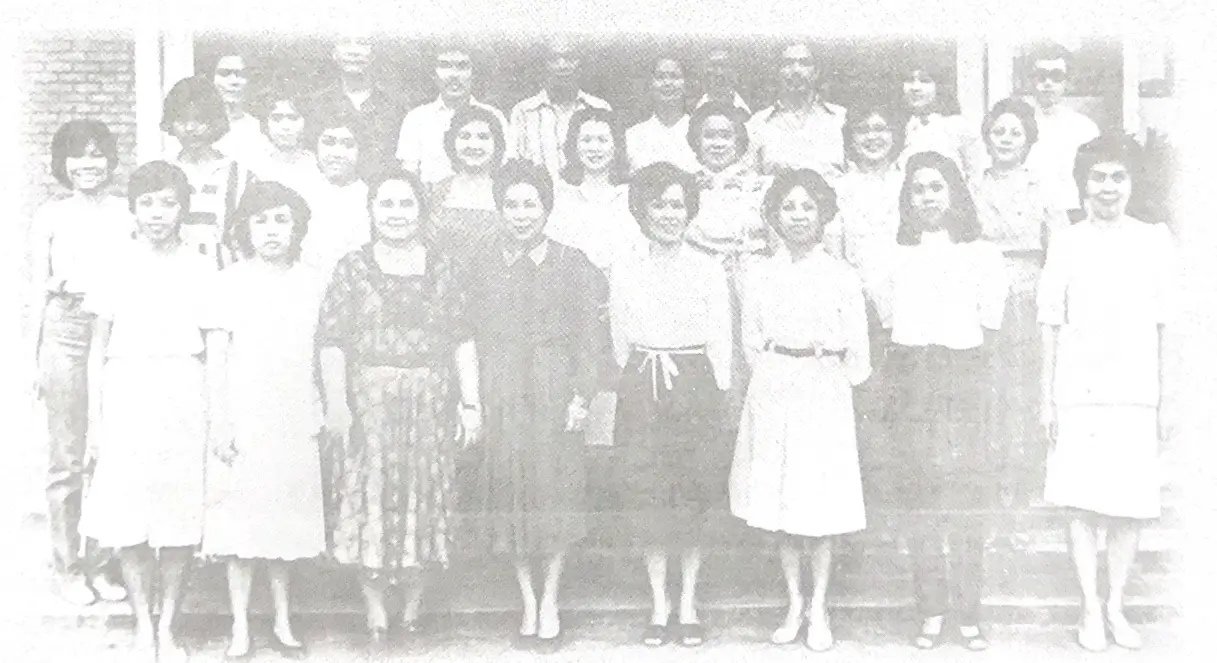 THE STAFF 1983
FRONT L-R: Ms. M. Cuvin; Ms. E. Amparado; Prof. A. Juliano; Prof. G. Caccam; Dr. G. Enriqucz – Head; Prof. F. Nathridad; Prof. E. Alikpala; Dr. V. Carino.
MIDDLE L-R: Ms. S. Soria; Ms. R. Dotimas; Mr. P. Yumul; Ms. M. Rodriguez; Prof. I. Pagulayan; Prof. N. Lopez; Dr. G. Pocsidio; Prof. A. Herrera; Mr. M. Rowshangah.
REAR L-R: Mr. M. Buelo: Mr. J. Cutillo; Mr. E, Remigio; Prof, A. Mamaril; Ms. J. Garibay; Mr. P. Esmejarda; Dr. R. Umaly; Ms. L. De Guzman; Mr. A. Arriola.
Not In Picture: Dr. B. Anicete; Dr. F. Lacanilao; Dr. R. Dela Paz; Prof. F. Abad Santos; Prof. R. Garcia; Prof. N. Rosell; Ms. G. Pimentel: Ms. R. Sibug; Mrs. S. Jacinto; Mrs. V. Punzalan; Mr. J. Cabudoy.
Founded on 30 January 1986, the Institute of Biology was envisioned to answer the great challenges posed to the biological sciences in the last two decades of the twentieth century. The advent of molecular biology in the fifties ushered in new technologies and advances in almost all areas of biology. Even classical specialization in botany and zoology gained added importance and significance in the light of present day problems in ecology and the environment. All these call for a united front on the part of botanists and zoologists.
In response to these demands on modern day biologists, the Institute of Biology was established from the former Department of Botany and Zoology. The two departments which started separately in 1910 within the College of Liberal Arts (later the College of Arts and Sciences, and now the College of Science), initially functioned as service units offering required subjects for professional degree courses such as medicine, pharmacy, dentistry, engineering, education, fisheries, and veterinary medicine. Both departments retained this function through the years while producing their own majors at the undergraduate and graduate levels. In addition, both departments joined manpower and facilities in the offering of the undergraduate and graduate programs in Biology. Courses in Ecology, Genetics, Microbiology, Cell and Microbiology, were offered jointly or alternatively by the two departments. The increased demands on the joint programs created coordination problems as well as administrative difficulties. There was also the urgent task of strengthening the interdepartmental programs to allow for the development and advancement of biological sciences and the need for the development and advancement of Biology as a basic science discipline.
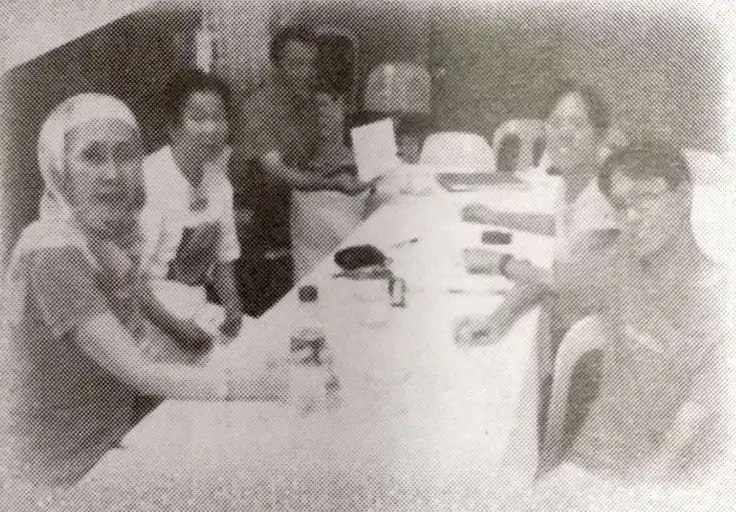
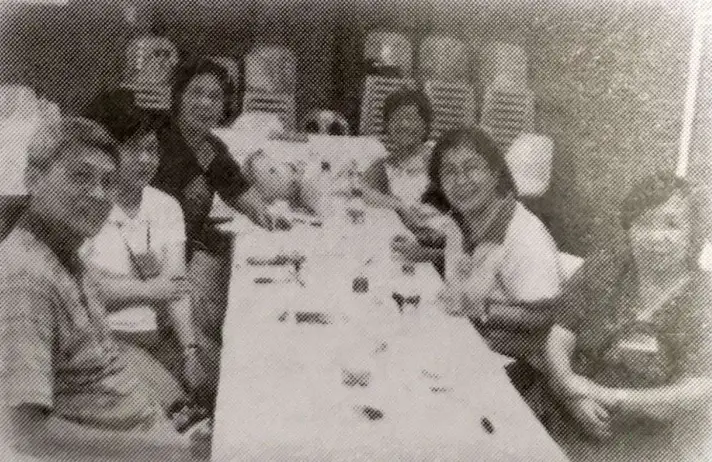
Accordingly, in 1986, the existing departments of Botany and Zoology were reconstructed into one Institute consisting of specific academic groups. This merger was in order to allow systematic and orderly pooling of the necessary manpower and facilities for the development and dissemination of an integrated body of knowledge and understanding of basic and applied biology. This fusion was also to facilitate the reevaluation of the various programs to ensure that academic excellence and quality education are adhered to at all levels of instruction, research, and extension activities. Thus, the faculty can pursue with direction and synonyms their teaching, research and extension roles in the light of new challenges to the biological discipline.
Dr. Gloria L. Enriquez was appointed Interim Director in 1986 and was subsequently nominated and appointed Director for a three-year term (1987-1990)while serving concurrently as Director of the Natural Sciences Research Institute. Due to her appointment to foreign post, Dr. Enriquz was replaced by Dr. Debbie Co who became acting Director in 1988. Dr. Co was succeeded by Dr. Filipina F. Natividad was appointed Director from 1990-1993 while concurrently serving as Coordinator of the MOlecular Biology and Biotechnology Program (now National Institute of Molecular Biology and Biotechnology). Dr. Gilda C. Rivero was appointed Director for two terms from 1993-1999. During her term, a grant from the Department of Science and Technology – Engineering and Science Education Program (DOST-SEEP) enabled the institute to procure a number of equipment for teaching and research. After Dr. Rivero, Dr. Nellie C. Lopez was appointed Officer-in-Charge from 1999-2000 and was appointed Director from 2000-2003. Dr. Roberto C. Pagulayan took over from 2003-2006. During his term, the institute gained the distinction of Center of Excellence in Biology conferred by the Commission of Higher Education because of its outstanding performance in teaching biology. The present Director of the institute is Dr. Perry S. Ong who was appointed in June 2006. On October 6, 2006, the institute was again declared Center of Excellence in biology by the Commission on Higher Education.
In keeping with the standards of the university, the institute has stayed its course as the provider of the best education in biology. Since its creation, the institute has graduated some of the finest minds in the land. Most of them went into medicine while others decided to pursue teaching and research and became integrated into the Institute of Biology’s teaching force as well as in the other teaching institutions in the country.
Starting the 2008-2009 school year, the institute increased the number of undergraduate students admitted into its B.S. Biology program from 80 to 120. In 2007, there was a summa cum laude and a number of magna cum laude among its graduates from College of Science was Dr. Jonas P. Quilang of the Institute of Biology. He had published papers in four ISI publications while enrolled in the Ph.D. program. In recent years, the institute produced a number of BPI student awardees for best undergraduate research work. Many of the students had won other prestigious national awards such as best undergraduate research in herbal medicine given by the Philippine Council for Health Research and Development-Gruppo medica and the Splash Henyong Pinoy award. The most recent awardee won the BPI environmentalist award.
How the Institute of Biology was Conceived
Dr. Gilda C. Rivero
Speech delivered by Dr. Gilda C. Rivero, alumna, former faculty member, and Director of the Institute of Biology from 1994 to 2000, during the Institute’s 40th Foundation Anniversary Celebration on March 2, 2026, at the IB Auditorium.
Good morning!
First of all, allow me to respectfully acknowledge the presence of our College Dean, Dr. Cynthia Saloma. I sincerely express, too, my thanks to IB Director, Dr. Jonas Quilang for the kind invitation. I warmly extend my felicitations to each one in the Institute of Biology for having reached this milestone of celebrating 40years! Congratulations!
Ruby Anniversary, as it would be called for wedding anniversaries, is represented by the color red. I happen to have brought to this trip, a single dress outfit in the appropriately thematic color. Talk about clairvoyance.
Clearly, I happen to be the oldest here, so I thought it appropriate to dwell on “how the Institute of Biology came to being”. With the admirable past Directors: the late Dean Perry S. Ong, Dr Sonia D. Jacinto, Prof. Emeritus Dr. Ernelea P. Cao, AVP Dr. Ian Fontanilla, and, our currently head, Dr. Jonas Quilang, this Institute has claimed its place in science, a realization of that “dream” which began to take shape in 1986. To credit 4 decades to the existence of our Institute of Biology, it would necessarily mean that so much history has been established. If you may, (kindly indulge me please) I wish to dwell roughly on “How the Institute of Biology was Conceived, Formed, and Sprung into Life”! It is my hope that through this message, a greater and better appreciation of why the Institute is currently recognized to be at the cutting edge of instruction, research, and extension. This excellence evidenced by the meritorious status it currently holds stems from the concerted efforts of the impressive Faculty. Your admirable passion in the science you each pursue has definitely placed the Institute on the map.
Around the mid-1980s, a demure but not necessarily shy lady-professor, who had accomplished research collaborations in Germany and Japan, among many more notable laboratories, conceived (she was very much single then, married to her science) the likely merger of 2 post-war Departments within the then College of Arts and Sciences.
These were the Departments of Botany and Zoology (please, absolutely no bias here, as this is alphabetical mentioned.) The merit of this concept is dearly credited to Prof. Dr. Gloria L. Enriquez-Ongchangco, who had numerous years of international exposure.
Know, too, please that in the early 1980s, then the late Dr. Roger Posadas, Professor of Physics, made a bold proposal to split the College of Arts and Sciences into 3 separate Colleges, namely: the Colleges of Science; of Social Sciences and Philosophy; and, of Arts and Letters. Associate Deans were initially appointed while these 3 academic institutions transitioned and evolved independently.
At that time, the sitting CAS Dean was Prof. Ofelia Angangco of Sociology, who prided herself as being the “academic mother” of the tri-colleges! Prof. Dr Posadas was appointed the Assoc. Dean for Science, eventually becoming the first College of Science Dean.
The split into 3 was strategic, that is, to allow for the input of more resources specific to the research agenda and personnel development plans of the various disciplines within each College. The UP President then was the late Hon. Sen. Edgardo J. Angara. These figureheads were well placed together at that time, and they hand-in-hand brainstormed for future directions. There were countless, yes countless, brainstorming meets between Drs. Posadas and Enriquez-Ongchangco at the Office of the NSRI Director. She then was the NSRI Director. There were not a few occasions I’d chance upon them.
In its inception, the Institute of Biology was under the Directorship of Dr. Enriquez-Ongchangco for just about a year or so, not only because she crafted the merger, but also because, she had to spearhead the curricular changes and the set the direction for this new academic unit. Simultaneously then, Dr. Enriquez-Ongchangco held the position of Coordinator for the Molecular Biology Program, also her brainchild. The Molecular Biology Program was the precursor of the National Institute of Molecular Biology and Biotechnology.
Here, please allow me to digress a bit, for I shall be remiss if I do not state that Dr. Enriquez-Ongchangco is the “Mother of Cell Biology” in the Philippines. With the Institute of Biology Graduate Faculty, she academically engineered the insertion of Cell Biology as a required course in the BS Biology curriculum throughout the country. Sometime in the late 1990s or early 2000, she was duly recognized by the National Research Council of the Philippines for introducing Cell Biology as a core course in the BS Biology curriculum. Dr. Enriquez-Ongchangco in the mid-1980s to the early 1990s, simultaneously held 3 posts, namely, NSRI Director, Molecular Biology Program Coordinator, and IB Director!
As with babies, the Institutes’ growth and development had its share of ups and falls, frustrations and elations, anger and resolutions! History witnessed the merger of 2 departments with initial pains, harsh criticisms, and resignations from the younger faculty, mostly non-tenured Instructors.
Allow me first to put into proper perspective why the merger of the Departments of Botany and Zoology was the acceptable action to chart a more effective, efficient, and “profitable” academic unit, producing the manpower prepared for research, education, and extension for the advancement of science. Before the merger, there were 5 undergraduate degree programs. These were: BS Botany, BS Biology, BS Marine Biology, BS Zoology, and BS Pre-Med. Two of these degree programs were already suffering from poor enrolment, namely, Botany and Marine Biology.
Then, too, students enrolled in the BS Biology program were not necessary academic performers, as a number of those students shifted from other more challenging degree programs at that period. More significantly, there was the need to streamline the then existing undergraduate and graduate degree programs. The overarching objective was to prepare graduates well-equipped to conduct commendable scientific endeavors. We planned on producing the best scientists. It was clearly the goal of the merger! If they continued on to medicine, the proposed core training the students would have eventually received will definitely be put into good use when they practice as future doctors, particularly in the area of diagnostics.
Here, allow me once again to digress.
This interesting evolution of the Institute of Biology gave opportunities for poorly performing degree programs from the two other Colleges – CSSP and CAL, to put to their advantage the abolition of the BS Pre Med program. CSSP proposed a new track for their BS Psychology program (then with poor enrolment numbers) by naming that tract as BS Psych – Pre Med; while, the CAL proposed the then AB Political Science – Pre Med tract.
What is it said about your loss, their gain? These 2 Colleges seized to their advantage the abolition of the BS Pre Med program to increase student enrolment by modifying their respective degree programs with an addition of a series of electives. As you may have it, these electives were Biology courses required for a bachelor’s degree preparation to qualify into the College of Medicine. Naturally we raised brows, but their proposals prospered.
(Apologies, for I am no longer aware if BA Political Science Pre Med still exists.)
Now back to our history.
Another point of argument against the merger was the perceived lost of identity as a Botanist or Zoologist. The sentiment then was the subsequent identity as Biologist falls short of reflecting one’s specialization.
Additionally, curricular changes would entail numerous graduate faculty meetings and redirecting faculty development goals for the short, medium, and long terms. So why rock the boat and why add more time-consuming and exhausting faculty meetings to an already heavily-burdened graduate faculty! These foreseen course of actions and effects did not sit well with a number of faculty members. Some resigned but surely did not leave quietly. Some faculty members from the Marine Science Institute also raised objections and made them heard. I should mention that the late University Professor and first MSI Director, Dr. Edgardo G. Gomez was formerly a faculty of the Department of Botany.
For us who understood and accepted the merit for the merger, we pursued with the daunting task. We remained focused on the bigger picture as academic professionals and took that big leap 40 years ago taking us to what the IB is today! We can look back with more appreciation and understand better why you are all currently enjoying the “perks” of national and international recognition. One can only fully grasp the true enjoyment of what the IB is now, if one were to be transported back to the late 1980s till the 1990s. Then, there were not enough funds, poor acquisition of research equipment, and no unifying research agenda to incentivise the faculty.
By the mid-1990s, the map of the Science Complex was developing as the College Executive Board under Dean Posadas met weekly for long hours working on: (a) the precise location of each Institute and Departments then; (b) the short-medium-long term development plans; and, (c) how to justify the Science Complex to be of National stature. On our part, we worked on how our research agenda will be attractive enough to generate the much-needed funds for research and for the construction of an IB building. The IB building finally became a realization in the early 2000s and it was built on the land we earmarked for Biology in the 1990s.
Back to the present, the IB within the ASEAN arena, holds the honorific institutional distinction, accomplished and awarded during the time Prof. Emeritus Dr. Ernelea P. Cao as IB Director. IB is up for renewal for this prestigious ASEAN University Network (AUN) recognition but this task is no longer uncharted and shall not be daunting. More importantly, this institution has that admirable make-up of scientists more than qualified to perform with the best of outcomes. The current set of IB faculty members who did not graduate from IB or trained for their PhD degrees outside of UP lends that additionally significant infusion of new approaches attuned to the national and international scientific arena. You are the manpower who shall assure that IB remains on top! The recognition is sustainable!
Given this rich history of IB, each one in IB carries a great responsibility of continuing on through commendable performances, the ideals set forth 40 years ago. Additionally, it now rests upon each one’s shoulders, that task to bring the Institute to even higher and greater heights.
Let not anyone forget how we got here. Let our Institute of Biology continue to be at the forefront of its science!
Let none rest on the recognition IB currently enjoys. Complacency leads to mediocrity! I constantly reminded my thesis students then. Each one of the IB faculty have that singular responsibility not only to contribute scientific publications but also, to teach the best one can by giving one’s teaching responsibilities her/his complete attention with efforts not less but equal to that afforded scientific pursuits.
Each faculty holding a PhD degree must be involved in the active recruitment of future members for their respective academic groups. Nurturing future faculty members and actively recruiting faculty members for one’s academic group, is a given. Remember that the science you love shall die without the transfusion of new blood. These are the IB graduate faculty’s communal responsibility.
I end here and sincerely offer my best of wishes to each one. My deep gratitude for your kind attention.
Thank you!
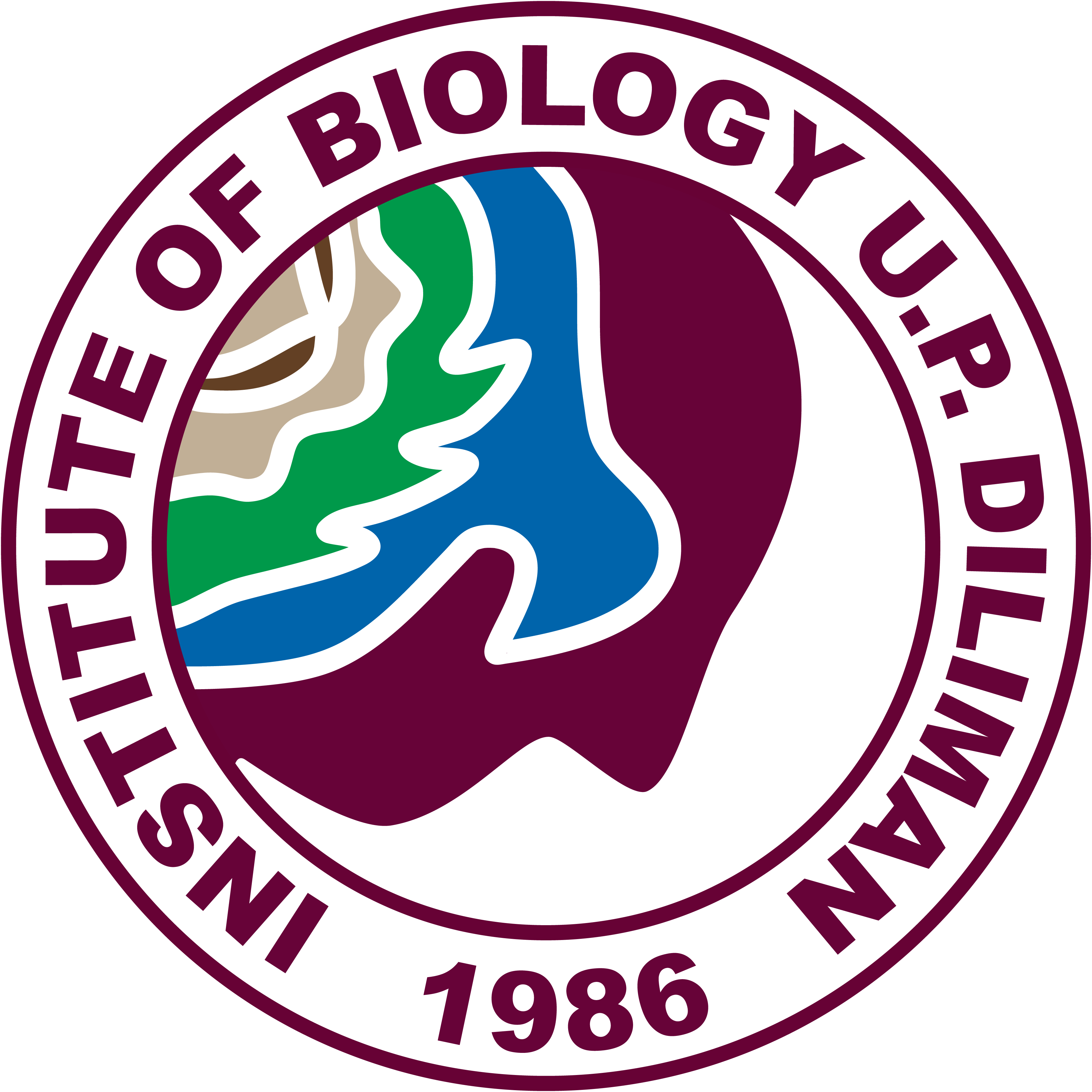
The official seal of the Institute of Biology at the University of the Philippines Diliman embodies the core paradigm of integrative biology by presenting the spectrum of life within a traditional circular emblem. Adorned in the institutional colors of UP forest green and UP maroon, the seal bears the name and founding year of the Institute, together with the name of its constituent university, UP Diliman. At the center, a sequence of biological forms is arranged to represent increasing levels of biological complexity. The composition begins with the foundational double helix of DNA, progresses to a detailed microscopic organism, and continues through the vivid green of a photosynthetic plant leaf and the warm tones of an animal bird, culminating in the distinct silhouette of the human form. By bringing together these successive levels of biological organization and their corresponding color palettes in a unified composition, the emblem reflects the interconnectedness of molecular mechanisms, cellular processes, organismal diversity, and human life, emphasizing the integrative perspective that lies at the heart of the life sciences.
The IB logo was designed by Dr. John Anthony D.L. Yason, an alumnus and former faculty of the Institute.